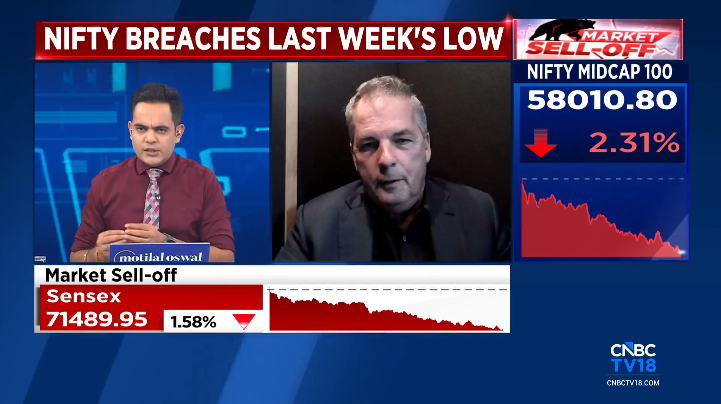




Christof Rühl, Global Advisor at Crystol Energy, joined Rajini Vaidyanathan on BBC World’s Newshour to discuss the disruption to Saudi Arabia’s East-West Pipeline. The attack has pushed oil and gas prices higher, but the wider implications go beyond the immediate loss of supply.
Key takeaways:
- The East-West Pipeline gives Saudi Arabia an important alternative to shipping oil through the Strait of Hormuz.
- Pipelines cannot make Hormuz redundant because fixed infrastructure remains highly vulnerable to military attacks.
- Alternative export routes can strengthen resilience, but they cannot replace the need for a political solution.
- Diesel shortages could have a greater economic impact than crude oil shortages because diesel is essential for transport and trade.
- Diesel supply is already under pressure from disruptions affecting Middle Eastern refining, Russian production and Chinese refinery activity.
- Saudi Arabia is likely to remain cautious because its pipelines, refineries and major oil installations remain exposed to further attacks.
- The continued ability of regional adversaries to strike critical infrastructure will shape Riyadh’s response.
Related Comments
“Strait of Hormuz crisis exposes new risks to energy infrastructure“, Dr Carole Nakhle, Aug 2026
“UAE will double oil export capacity bypassing Hormuz by 2027“, Dr Carole Nakhle, May 2026