



crystol-title-company-overview
crystol-title-tailored-advice
crystol-title-animation2
crystol-title-news-main
crystol-title-tailored-advice2
crystol-title-case-studies-main

Iran’s capacity to hit specific energy targets is worrisome

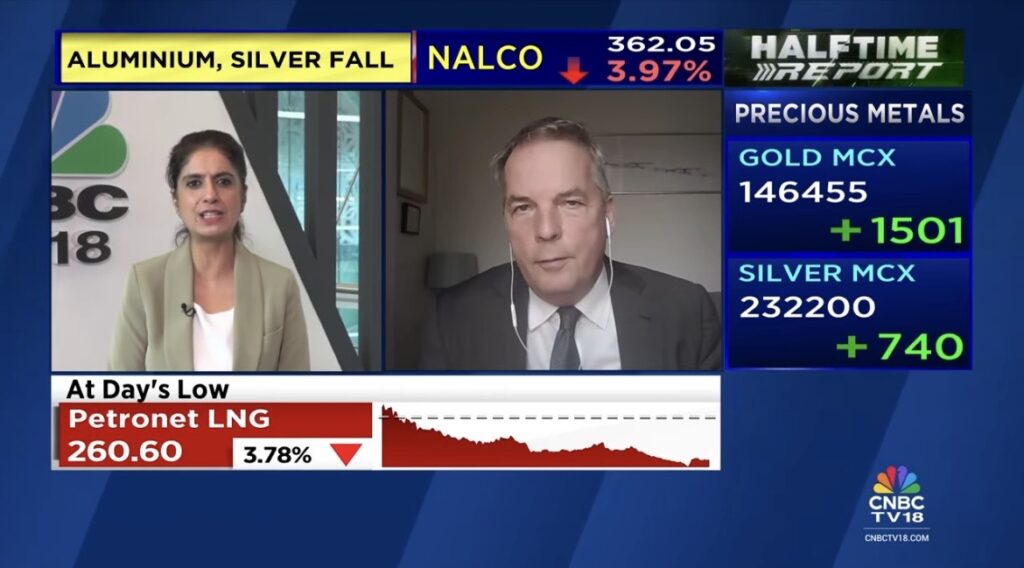
In an interview with Manisha Gupta on CNBC-TV18, Christof Rühl, Global Advisor at Crystol Energy, discussed how prolonged conflict in West Asia is affecting oil and gas markets. He explained that the biggest concern is not only the attacks already seen, but the continued ability and willingness to target energy infrastructure and keep the Strait of Hormuz under pressure. The discussion also explored why prices have risen sharply in some parts of the market, even though actual supply disruption so far remains more limited than many feared.

On CNBCTV18 with Manisha Gupta, Christof Rühl explains why fear of deeper disruption is driving energy prices more than actual supply losses

Key takeaways:

  • The most worrying signal is that Iran still appears able to strike specific energy targets, which keeps the risk of further escalation high.

  • Oil and gas prices have risen more on fear and expectations than on actual large scale disruption to global supply.

  • Markets have been partly protected by strong supply buffers, including high storage levels, well supplied oil markets, and continued flows from other producers.

  • If the Strait of Hormuz reopened and tensions eased quickly, markets could adjust relatively smoothly because underlying supply conditions were not tight before the crisis.

  • Regional crude grades such as Dubai and Oman have risen much more sharply because local production and export routes have been hit directly, while refined products have also seen uneven price impacts.

Related Comments

Iran War: Asia most at risk in an LNG shortage“, Christof Rühl, Mar 2026 

US and Israel launch major military strikes on oil-rich Iran“, Dr Carole Nakhle, Feb 2026

Share this:

Recent Posts

Categories