




With oil prices remaining elevated amid renewed attacks on shipping and energy infrastructure in the Middle East, geopolitical uncertainty continues to weigh heavily on global markets.
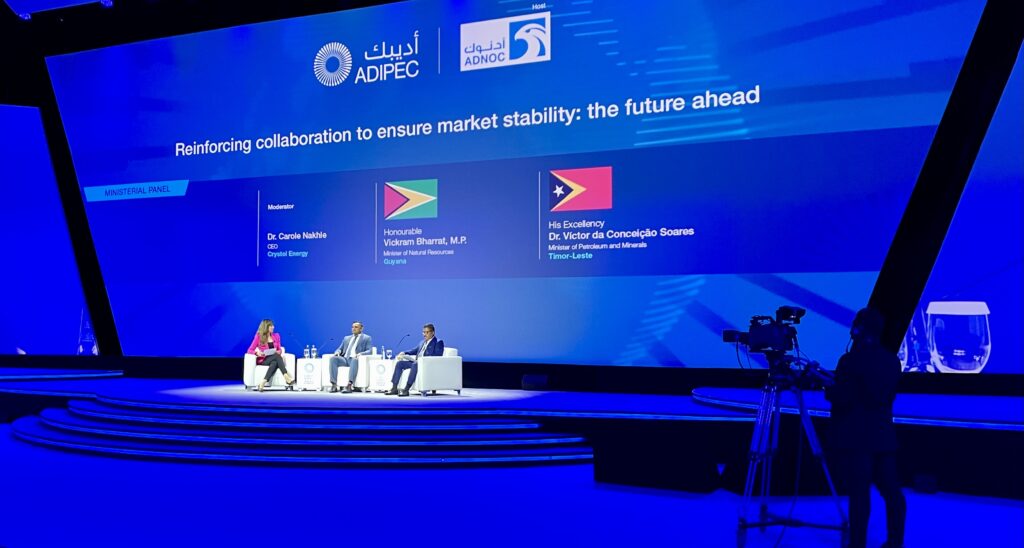
In an interview with Rima Najjar on CNN Business Arabic, Dr. Carole Nakhle, CEO of Crystol Energy, discussed the impact of geopolitical tensions on global oil markets, the potential effects of easing Russian energy sanctions, and the outlook for oil prices and supply disruptions through 2027.
Key takeaways:
Easing sanctions on Russian diesel and energy exports could help calm markets, but it would not resolve the underlying geopolitical tensions.
Continued attacks on Russian oil infrastructure and the absence of a peace agreement with Ukraine limit the potential benefits of sanctions relief.
The Middle East remains a major source of uncertainty for global oil markets, with escalating tensions contributing to price volatility.
Forecasts of an additional $20 to $25 per barrel depend on the timeframe and the evolution of geopolitical developments.
The upcoming US midterm elections could increase pressure on President Trump to pursue diplomatic solutions, potentially intensifying oil price volatility ahead of the vote.
Oil supplies continue to reach global markets despite disruptions around the Strait of Hormuz, although higher insurance premiums and security risks have significantly increased transportation costs.
Supply disruptions could persist into 2027, but the growing cost of delivering oil to international markets may be more significant than the actual loss of supply volumes.
Related Comments
“Strait of Hormuz crisis exposes new risks to energy infrastructure“, Dr Carole Nakhle, Aug 2026
“UAE will double oil export capacity bypassing Hormuz by 2027“, Dr Carole Nakhle, May 2026