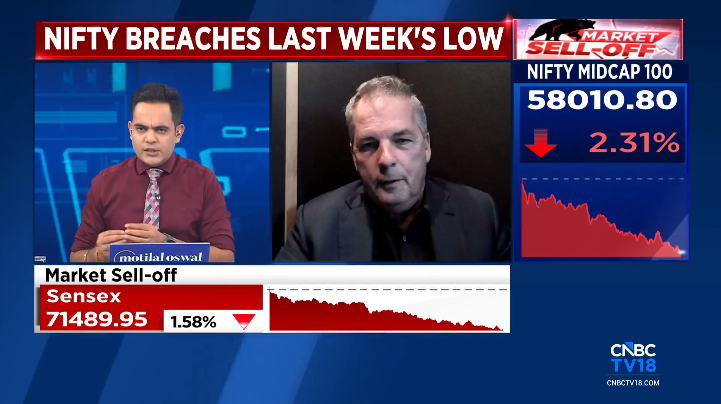



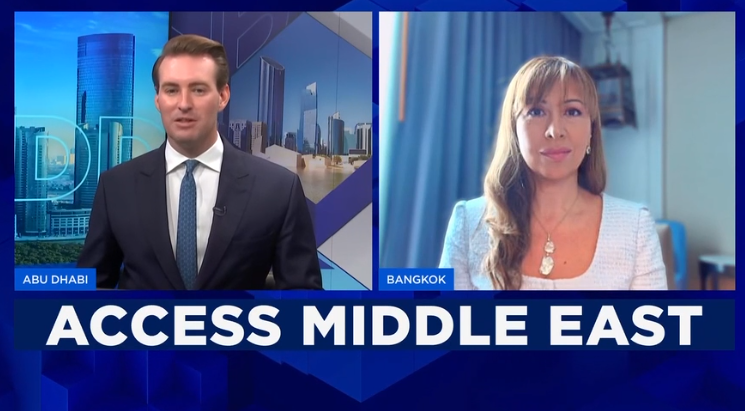
Dr. Carole Nakhle, CEO of Crystol Energy, spoke with Dan Murphy on CNBC International about the impact of disruptions to Qatar’s LNG exports, why global gas markets have remained more resilient than during the 2022 energy crisis, and what Qatar’s purchases of US LNG mean for its position as a leading global supplier.
Key takeaways:
- Global LNG trade is more concentrated than oil, with the US, Qatar and Australia together accounting for more than 60% of global LNG trade, meaning even relatively small disruptions to Qatari exports can have significant repercussions across the market.
- Despite disruptions to around 17% of Qatar’s LNG exports and sharp increases in spot prices in Europe and Asia, prices remain far below the record levels reached in 2022 following Russia’s invasion of Ukraine, highlighting the greater flexibility and resilience of today’s LNG market.
- This resilience reflects a global gas market that has become more diversified and adaptable, with alternative suppliers helping to absorb lost Gulf volumes and providing an important buffer against the disruption.
- Qatar’s reported purchases of US LNG should not be interpreted as a weakening of its position, as exporters facing temporary supply constraints can purchase cargoes from other suppliers to fulfil commitments under long term contracts.
- Qatar is unlikely to lose its importance in global LNG markets given its vast proven gas reserves, low extraction costs and established LNG infrastructure, while competition between Qatar and the US is expected to intensify as both countries expand export capacity.
Related Comments
“Strait of Hormuz crisis exposes new risks to energy infrastructure“, Dr Carole Nakhle, Aug 2026
“UAE will double oil export capacity bypassing Hormuz by 2027“, Dr Carole Nakhle, May 2026