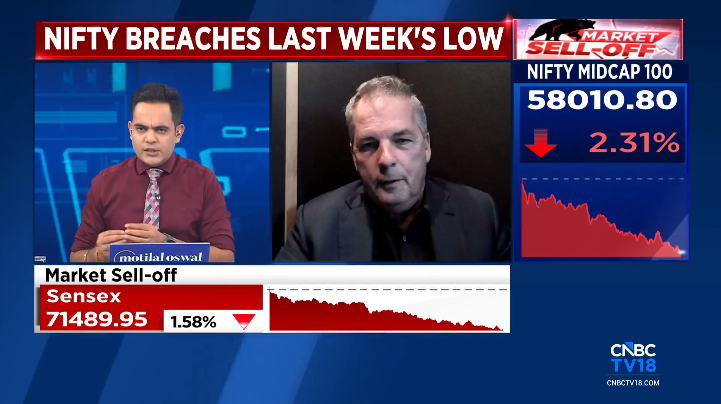



With oil prices crossing the psychological threshold of $100 amid continued disruption in the Strait of Hormuz and heightened geopolitical tensions across the Middle East, Dr. Carole Nakhle, CEO of Crystol Energy, spoke to Jennifer Zabasajja on Bloomberg’s Horizons Middle East & Africa about the outlook for oil prices, the geopolitical risk premium and the factors likely to shape market direction in the months ahead.
Key takeaways:
The unpredictable endgame of the conflict means oil markets should brace for continued volatility, particularly as disruption in the Strait of Hormuz combines with wider geopolitical tensions across the Middle East and the ongoing war in Ukraine.
Despite oil crossing the psychological threshold of $100, the global economy and energy markets have demonstrated greater resilience, reducing the economic pressure that might otherwise encourage a faster political resolution to the conflict.
Prices in the high $90s or above $100 should not be viewed as establishing a new floor, as they remain heavily driven by geopolitics and could move sharply in either direction as political developments change.
A significant geopolitical risk premium remains embedded in oil prices, while uncertainty surrounding non OECD inventories, particularly in China, makes it difficult to assess global stock levels with confidence.
Iran may be betting that prolonging the conflict until closer to the US midterms will strengthen its negotiating position, but that calculation could prove wrong as President Trump is not seeking reelection and may be unwilling to make concessions that undermine his geopolitical legacy.
Related Analysis
“Venezuela’s oil sector remains uninvestable“, Dr Carole Nakhle, Feb 2026
Related Comments
“Hormuz disruption keeps pressure on US gasoline prices“, Dr Carole Nakhle, Aug 2026