


LNG resilience tested as geopolitics reshapes global energy security
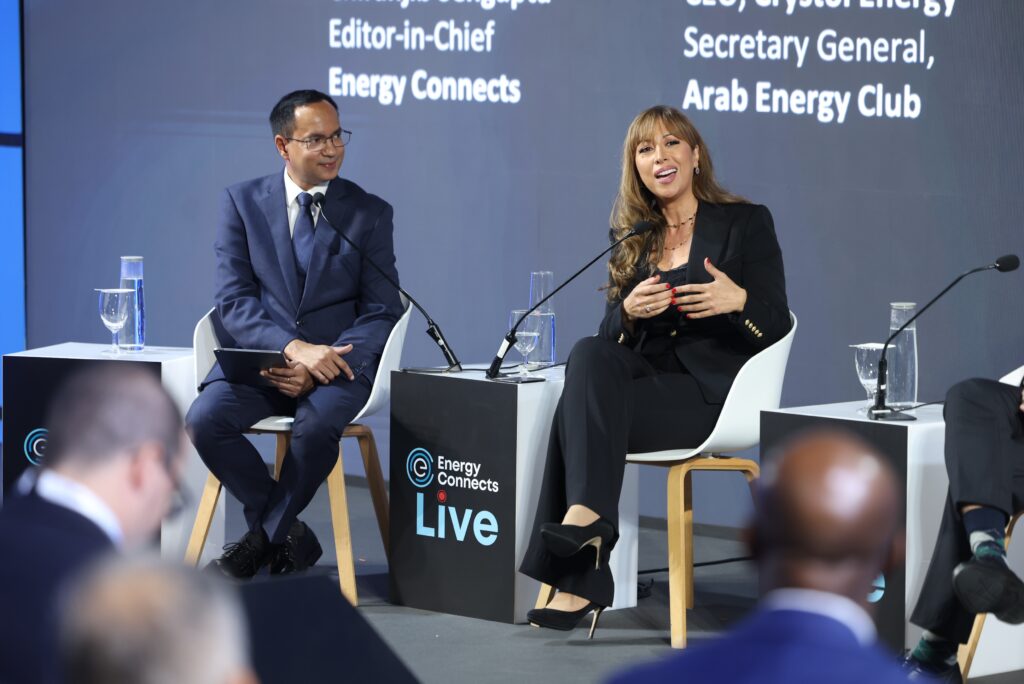
Dr Carole Nakhle, CEO of Crystol Energy, joined an Energy Connects Live discussion at Gastech 2026 to examine how geopolitical disruption is reshaping energy security,


Dr Carole Nakhle, CEO of Crystol Energy, joined an Energy Connects Live discussion at Gastech 2026 to examine how geopolitical disruption is reshaping energy security,
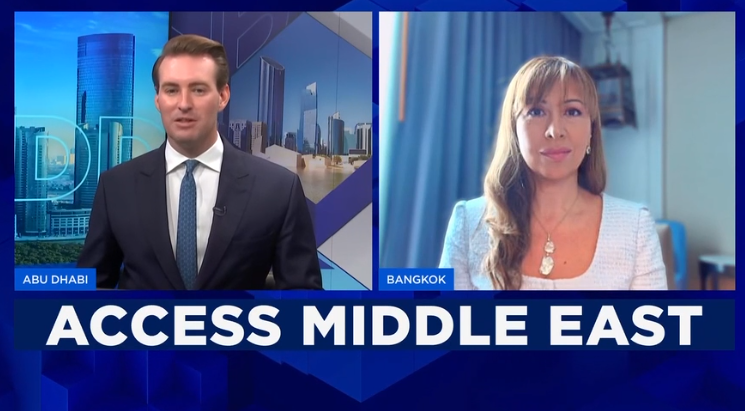
Dr. Carole Nakhle, CEO of Crystol Energy, spoke with Dan Murphy on CNBC International about the impact of disruptions to Qatar’s LNG exports, why global