


The Middle East remains central to global energy markets, but its future competitiveness will depend on more than its vast oil and gas resources.
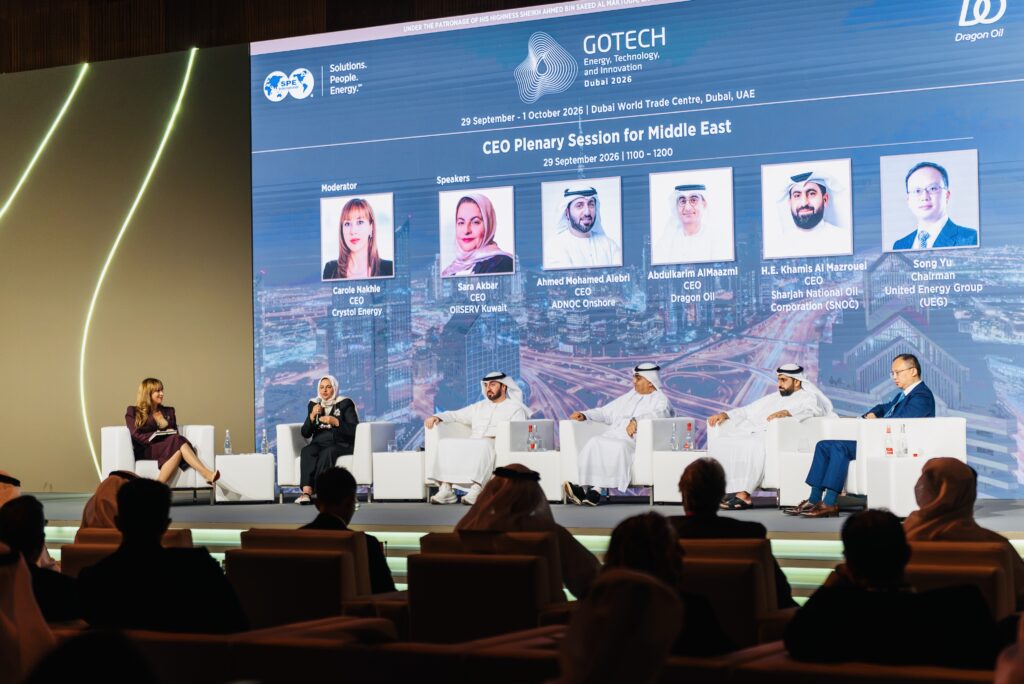
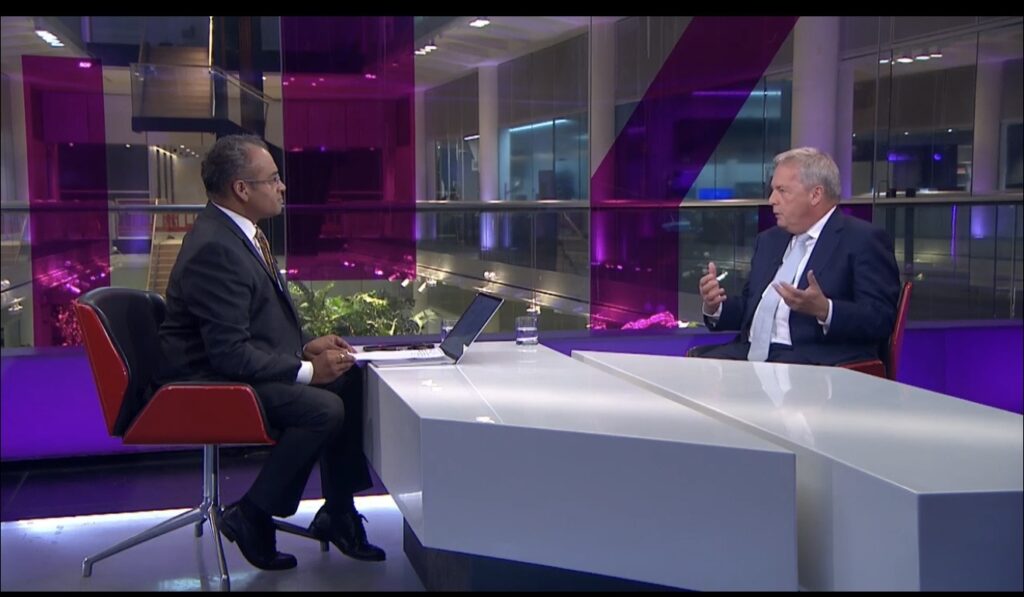
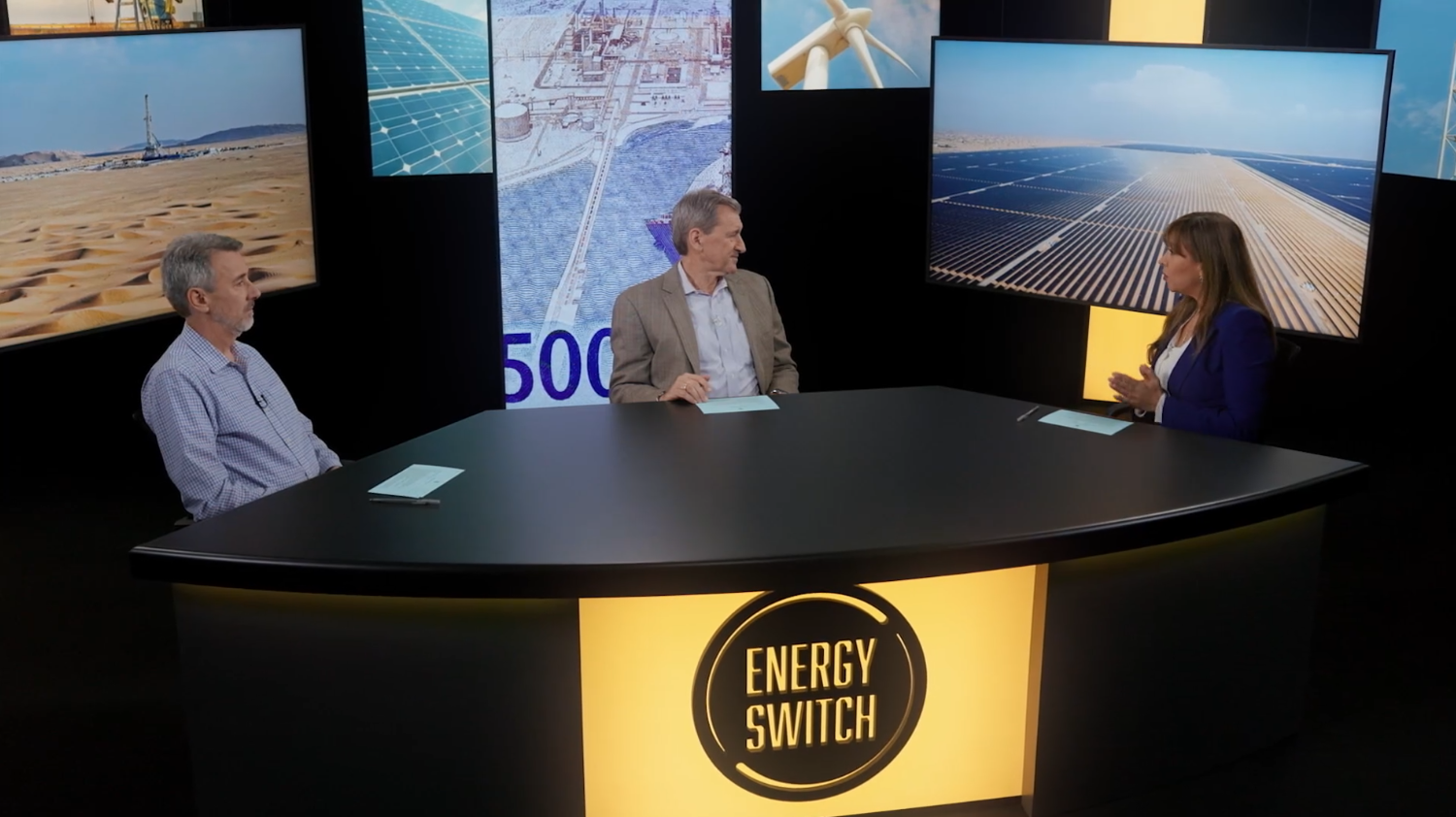
In an episode of Energy Switch, Dr. Carole Nakhle, CEO of Crystol Energy, joined Dr Jim Krane of Rice University’s Baker Institute for Public Policy for an expert discussion hosted by energy scientist Scott Tinker. Recorded shortly before the Iran conflict, the discussion explored the region’s influence on global energy markets, its evolving energy systems and the challenges of economic diversification.
Key takeaways:
The Middle East is often associated with wealthy oil and gas exporters, but the region also includes energy importing countries such as Lebanon, which remain exposed to global energy market developments without benefiting from the financial resources of their producing neighbours.
OPEC plays an important role in shaping global oil markets by managing supply to influence prices, providing a degree of market stability while supporting prices that allow producers, including those outside the organisation, to sustain production.
Despite having some of the world’s lowest oil extraction costs, Gulf producers often require much higher oil prices to balance government budgets, reinforcing the importance of economic diversification and reducing dependence on oil revenues.
Qatar has demonstrated how natural gas resources can be transformed into economic wealth and international influence through LNG exports, contrasting sharply with Iran, which shares the same gas field but has struggled to develop its gas export potential, while Saudi Arabia is increasingly investing in natural gas production.
Electricity subsidies across the region distort price signals and discourage efficient consumption, while ambitious plans to expand AI infrastructure and data centres in Saudi Arabia and the UAE could significantly increase electricity demand and place additional pressure on national grids.
Middle Eastern national oil companies continue to invest in carbon capture and storage, hydrogen and emissions reduction initiatives, reflecting a strategic approach that builds on the region’s existing resources, infrastructure and competitive advantages.
China remains an important energy partner for Middle Eastern producers as the world’s largest crude oil importer, but the region also recognises the importance of diversifying export markets to avoid excessive dependence on a single buyer.
Middle Eastern oil producers are likely to retain a competitive advantage as global oil demand eventually plateaus, thanks to their relatively low production costs and carbon intensity, although their long term economic resilience will increasingly depend on successful economic diversification.
Related Comments
“Iran War: Asia most at risk in an LNG shortage“, Christof Rühl, Mar 2026
“US and Israel launch major military strikes on oil-rich Iran“, Dr Carole Nakhle, Feb 2026