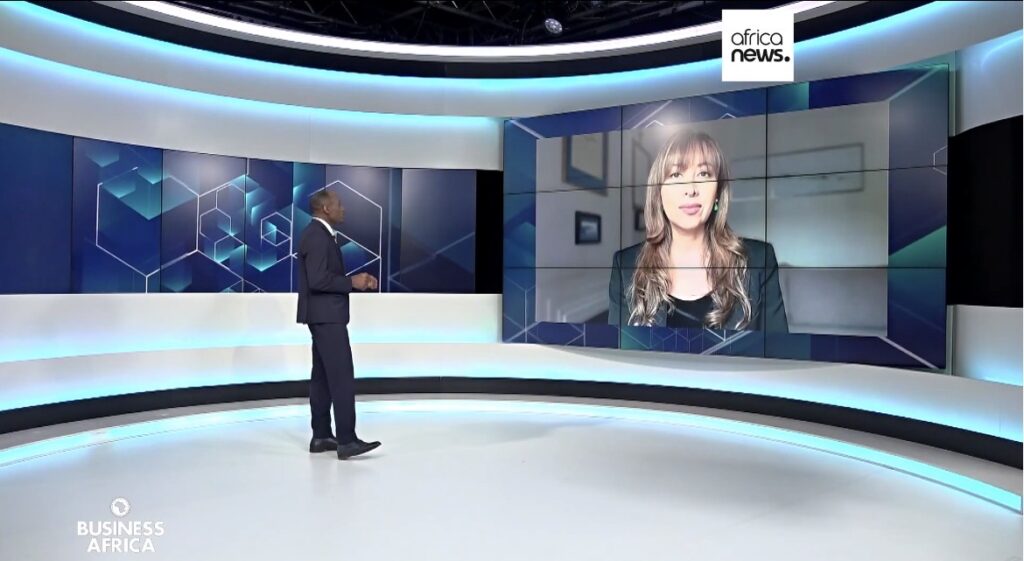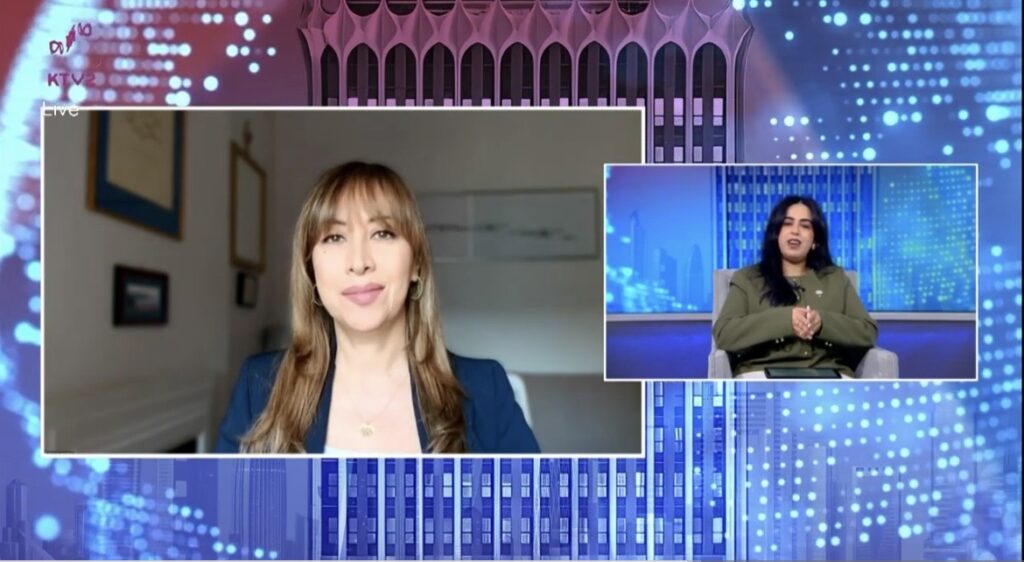
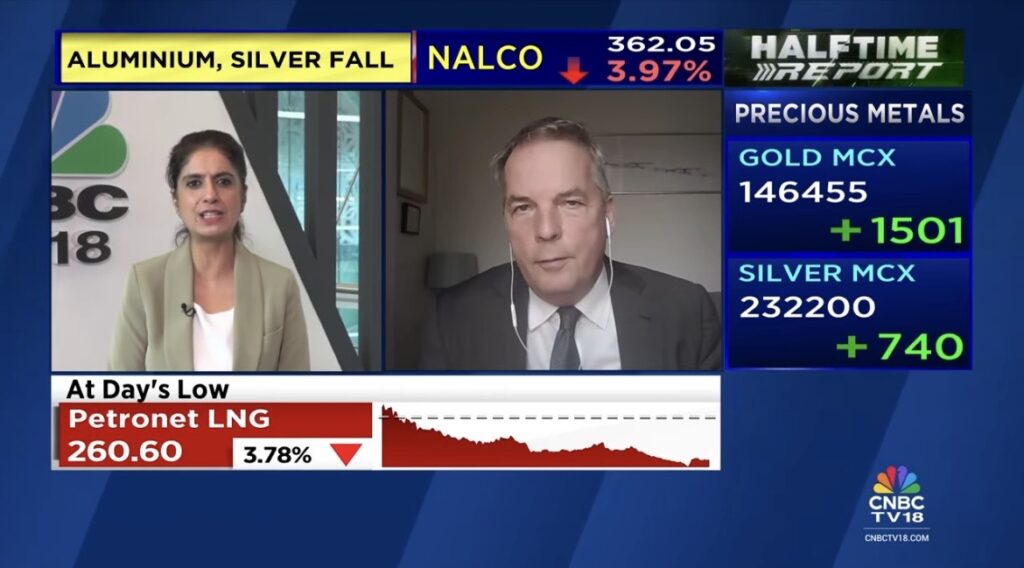
In an interview with Sheikha Al Temimi on KTV2 News, Dr. Carole Nakhle, CEO of Crystol Energy, discussed the growing impact of attacks on Gulf energy infrastructure and the wider implications for oil, gas, shipping, inflation, and the global economy. She explained that the threat is no longer theoretical, as energy facilities across the region have already been targeted, but she also stressed that markets are still showing resilience and have not yet entered the worst case scenario.
Key takeaways:
Attacks on energy infrastructure are no longer just a risk, as facilities across the Gulf have already come under direct threat.
The crisis could become much worse if Gulf countries move beyond defending their assets and become more actively involved in the conflict.
Gas markets reacted sharply after the attack linked to Qatar’s LNG facilities, showing how sensitive global LNG trade is to disruption in the Gulf.
The Strait of Hormuz remains a major pressure point, as disruption depends not only on supply but also on whether ships and crews are willing to transit safely.
Higher energy prices are feeding into the wider economy through transport, industry, and consumer goods, adding to inflationary pressure.
Despite the seriousness of the crisis, markets have not yet moved into full panic, which suggests the global economy is still better cushioned than in past shocks.
Related Comments
“US eases sanctions on Russian oil amid energy crisis sparked by Iran conflict“, Christof Rühl, Mar 2026
“War puts key Iranian oil terminals at risk“, Dr Carole Nakhle, Mar 2026