




In a BBC interview, Dr. Carole Nakhle, CEO of Crystol Energy, argued that focusing on political change or near term output misses the core issue in Venezuela. The decisive question is whether the country can break the cycle of oil sector mismanagement and elite control of revenues so that resource wealth finally serves citizens.
The interview stressed that Venezuela faces a real risk of continuity. Change can look meaningful on the surface while the same system stays in place, leaving ordinary people with the same outcomes.
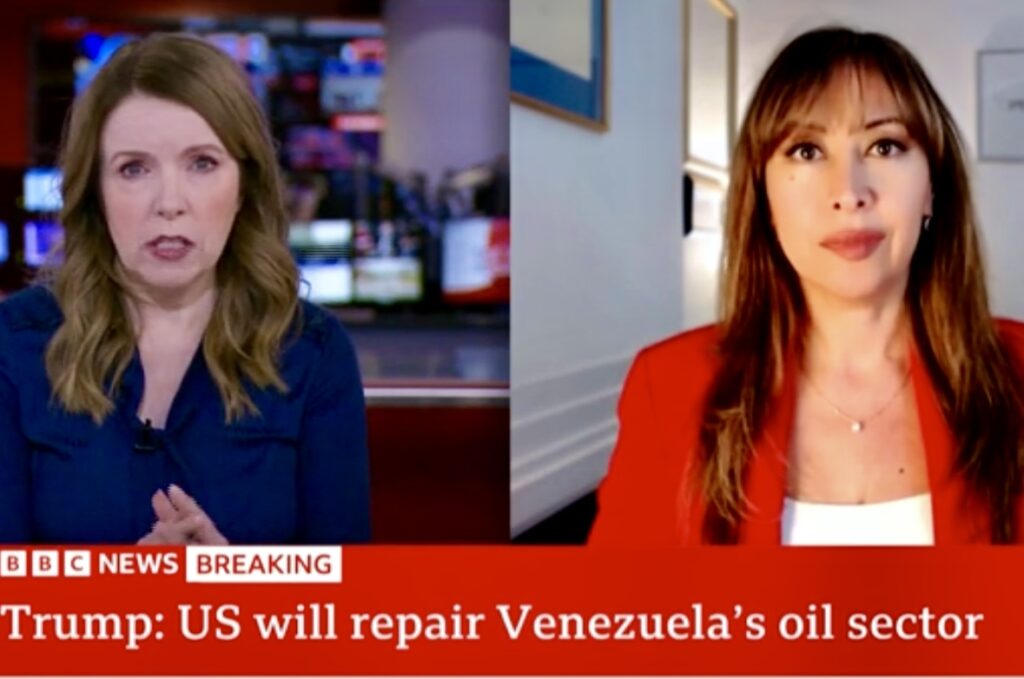
Key takeaways:
- Removing a president does not automatically deliver prosperity, because outcomes depend on how the oil economy is governed.
- The greatest risk is that political change masks continuity, with the same oil revenue model persisting under a different guise.
- Mismanagement of the oil sector and its revenues has historically enriched a narrow elite and weakened the wider economy, and that pattern can repeat.
- Venezuela illustrates the resource curse, where natural wealth does not translate into broad based prosperity without strong institutions.
- The real test is governance: transparency on revenues, accountability for decisions, and institutions that serve citizens rather than entrenched interests.
- The key question is not how much oil Venezuela can produce, but what future Venezuelans can secure from a resource they legally own.
- Oil can either support dignity and opportunity or deepen inequality, exclusion, and lost generations, depending on how revenues are managed.
Related Comments
“Venezuela, geopolitics, and what moves oil prices in 2026“, Dr Carole Nakhle, Jan 2026
“OPEC reality check and shifting oil narratives“, Dr Carole Nakhle, Nov 2025
“China oil stockpiling and global energy security“, Dr Carole Nakhle, Nov 2025