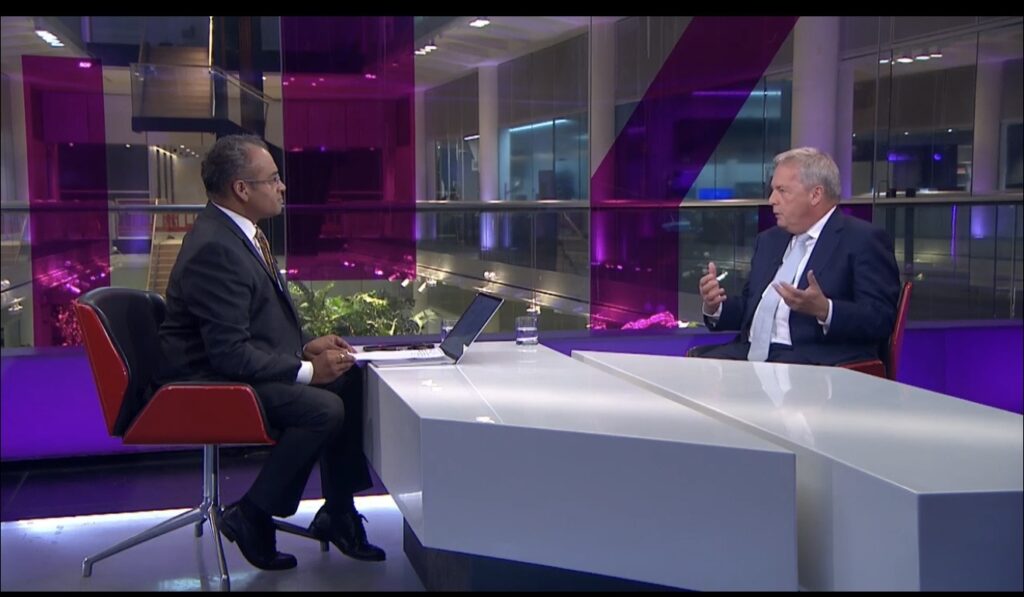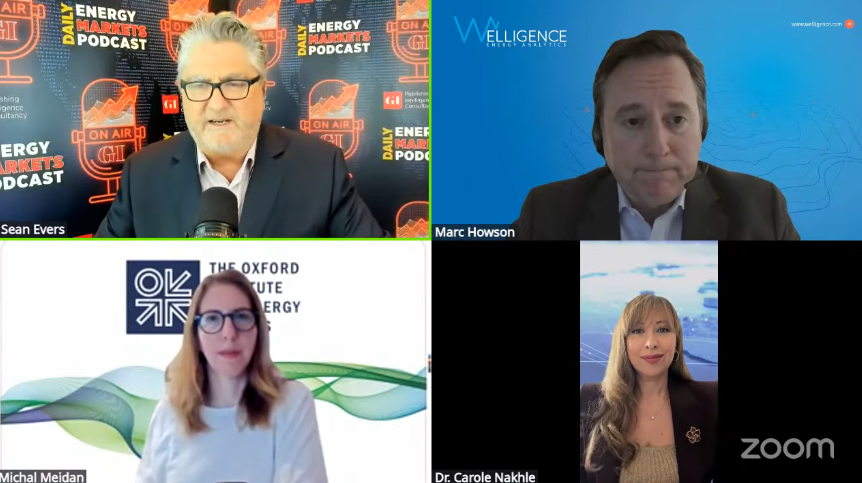





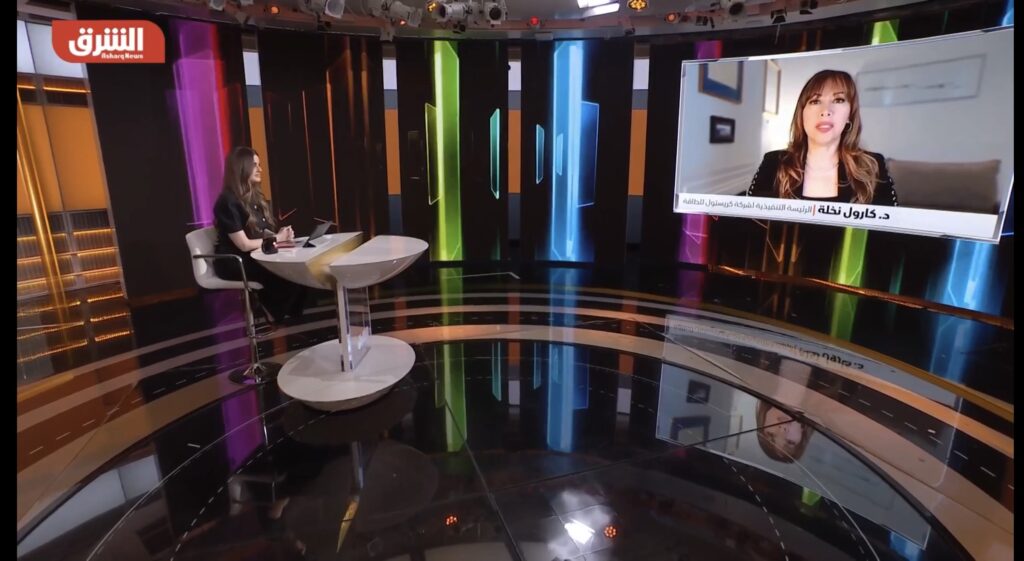
Dr. Carole Nakhle, CEO of Crystol Energy, recently spoke to Asharq News about the impact of ongoing tensions around the Strait of Hormuz on global natural gas and LNG markets.
In the interview, Dr Nakhle explained the key structural differences between oil and gas markets. While oil is widely traded globally, natural gas markets are more regionally constrained, with only a limited share of production traded internationally as liquefied natural gas (LNG) or via pipelines.
She highlighted the high concentration of LNG supply, noting that the United States, Qatar, and Australia account for more than 60% of global LNG exports. With significant expansion capacity largely limited to the US and Qatar, any disruption to Qatari LNG flows presents a major risk to global gas supply and energy security.
Dr Nakhle also noted that US LNG has so far helped compensate for supply disruptions. However, prolonged geopolitical tensions around the Strait of Hormuz could make this increasingly difficult—particularly if US LNG export terminals face maintenance or unplanned outages.
The interview further explored fuel substitution in gas markets, with early signs of coal replacing gas in parts of Asia, and examined how geopolitical uncertainty continues to drive volatility in global energy markets.
Dr Nakhle emphasised that the current crisis underscores the need for sustained investment across all energy sources, as well as in critical energy infrastructure, to ensure long-term energy security and market resilience.
Related Analysis
“Crisis without collapse: The Middle East oil shock“, Dr Carole Nakhle, Apr 2026
Related Comments
“What measures could EU countries consider to reduce fuel demand?“, Christof Rühl, Apr 2026
“War puts key Iranian oil terminals at risk“, Dr Carole Nakhle, Mar 2026