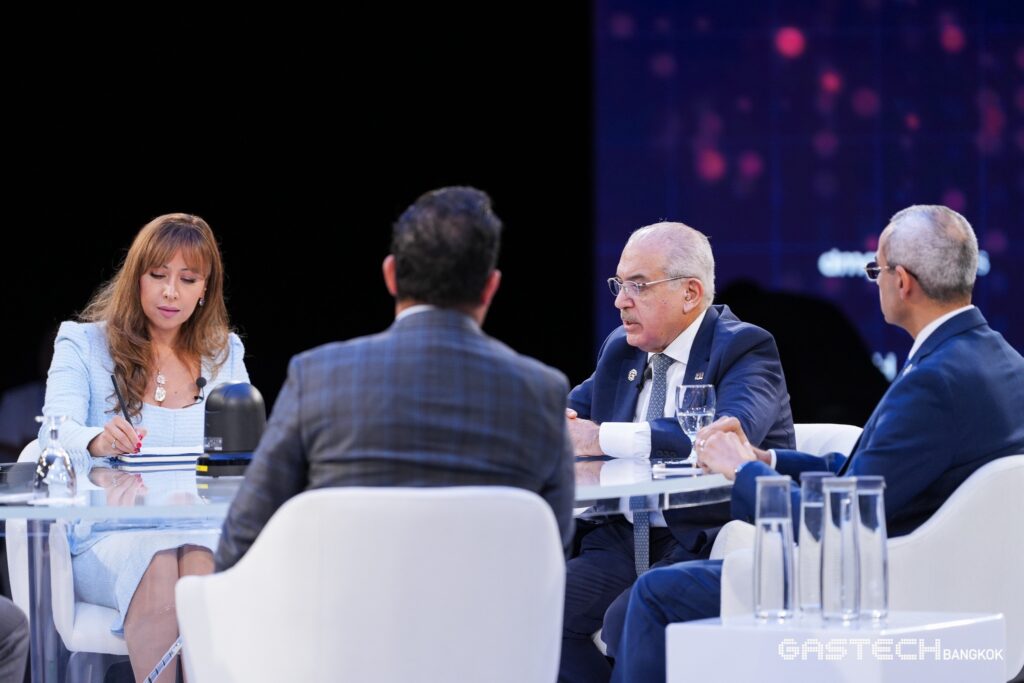






Dr. Carole Nakhle, CEO of Crystol Energy, commented in an article published by Alhurra on Iraq’s suggestion that it could reconsider its OPEC membership. In her view, the announcement was primarily a negotiating tactic intended to support Baghdad’s demand for a larger production quota. Iraq has long argued that conflict, sanctions and political instability restricted its ability to expand production and market share while other members increased their capacity.
Dr. Nakhle added that the UAE’s departure has nevertheless established an important precedent, making withdrawal from OPEC a more credible option for dissatisfied members. However, Iraq’s rapid clarification indicated that it was testing the organisation’s response rather than preparing for an imminent exit. The underlying message remained clear: Baghdad wants an allocation that better reflects the scale of its resources and its production ambitions.
Dr. Nakhle concluded that remaining within OPEC is still likely to offer Iraq greater benefits than leaving. Membership gives Baghdad influence over collective decisions and provides some protection against intense competition that could drive prices lower. For an economy heavily dependent on oil revenues, higher export volumes would not necessarily improve public finances if they were accompanied by a substantial decline in prices. An Iraqi withdrawal would also raise serious questions about OPEC’s cohesion, given the country’s position as a founding member and one of its largest producers.
Related Comments
“The Saudi oil pipeline the world didn’t know it needed“, Dr Carole Nakhle, Mar 2026
“US eases sanctions on Russian oil amid energy crisis sparked by Iran conflict“, Christof Rühl, Mar 2026
“War puts key Iranian oil terminals at risk“, Dr Carole Nakhle, Mar 2026