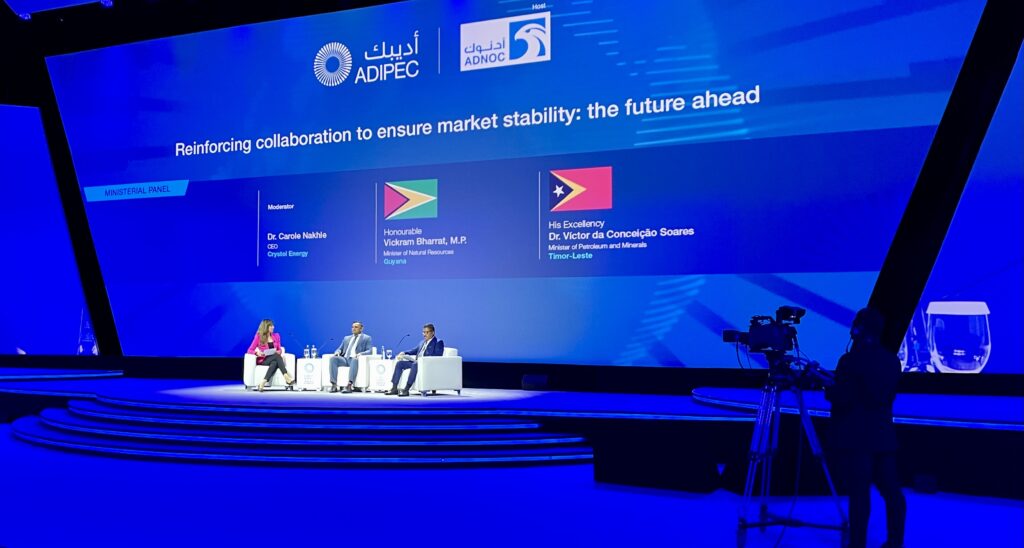





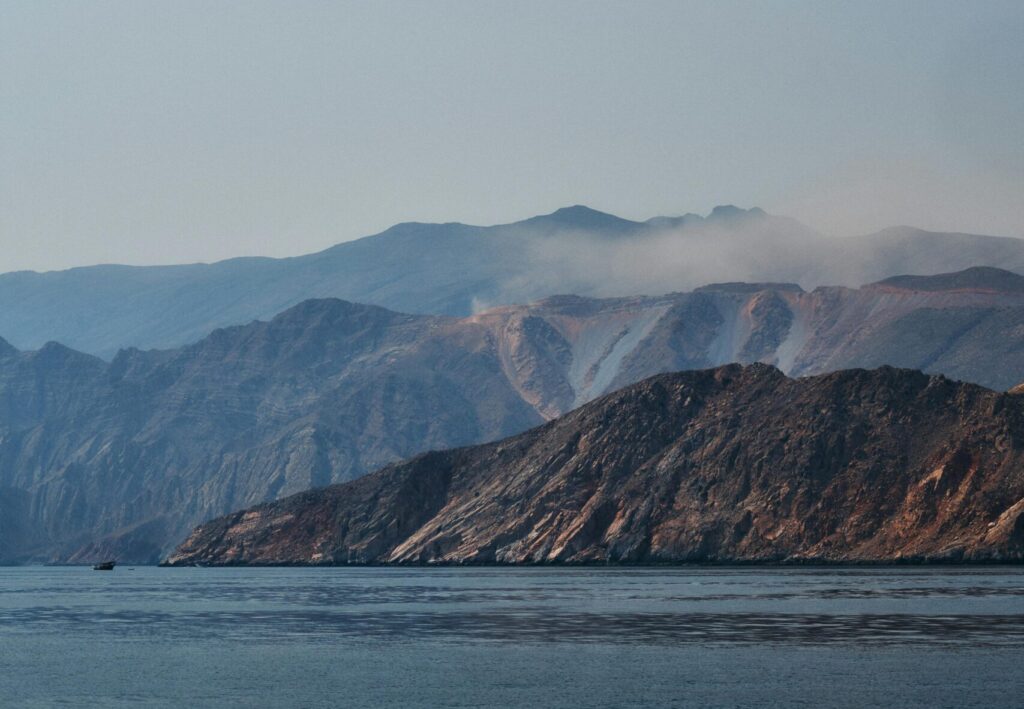
Dr Carole Nakhle, CEO of Crystol Energy, spoke to Fortune for an article by Katie Silver examining how the Iran conflict has reshaped energy security across Asia and exposed vulnerabilities surrounding the Strait of Hormuz. Dr Nakhle noted that before the crisis, many market observers believed it would be extremely difficult for Iran to block the Strait, particularly given its unsuccessful attempts during the 1980s. The latest conflict, however, has challenged those assumptions and highlighted the continued strategic importance of the waterway for global oil and gas flows.
Dr Nakhle also highlighted how technological developments have changed the nature of the threat facing energy infrastructure. Relatively inexpensive drones can now put refineries, pipelines, ports and other assets worth billions of dollars at risk, creating a major asymmetry between the cost of disruption and the value of the infrastructure being targeted.
Related Analysis
“Global oil market dynamics after U.S. intervention in Venezuela“, Dr Carole Nakhle, Jan 2026
Related Comments
“The Saudi oil pipeline the world didn’t know it needed“, Dr Carole Nakhle, Mar 2026
“US eases sanctions on Russian oil amid energy crisis sparked by Iran conflict“, Christof Rühl, Mar 2026
“War puts key Iranian oil terminals at risk“, Dr Carole Nakhle, Mar 2026