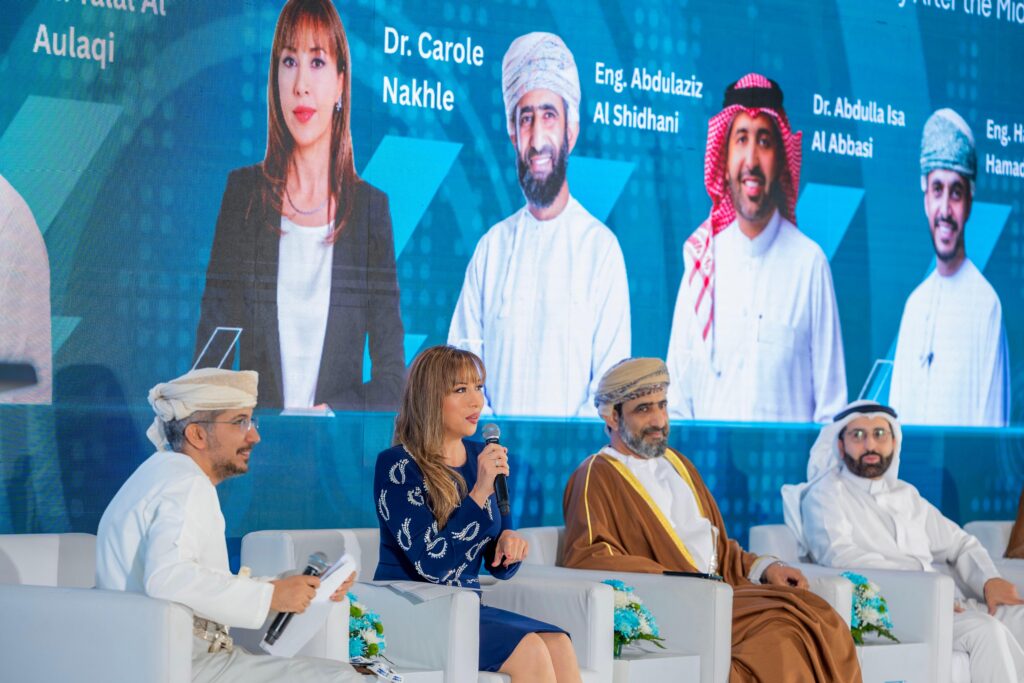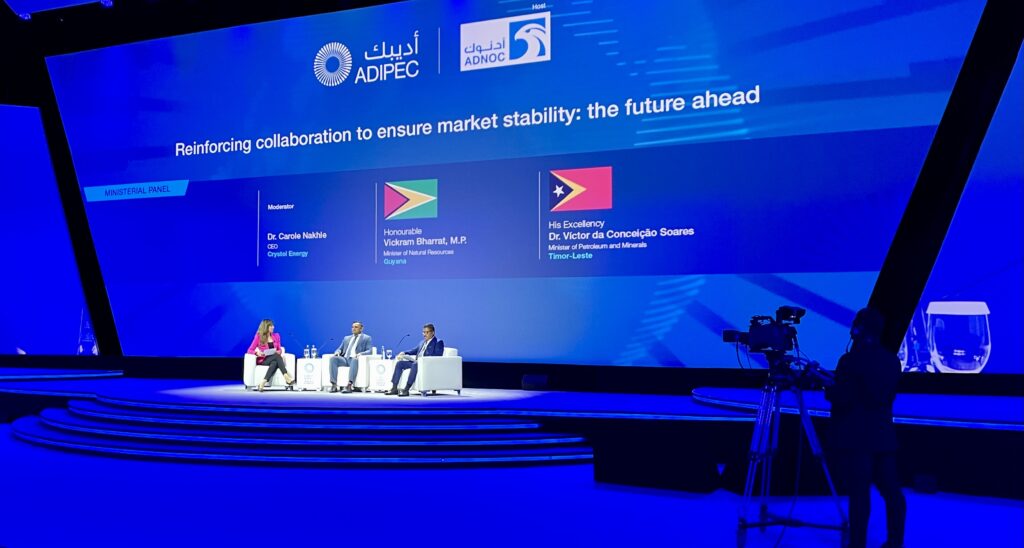



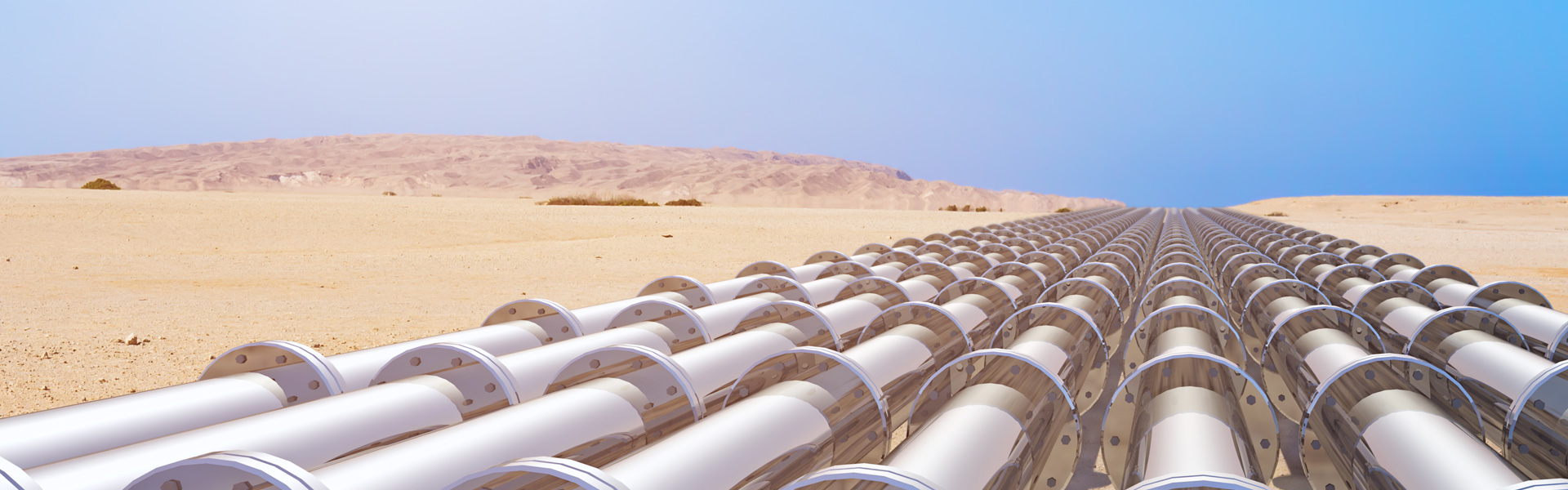
At the 2025 World LNG Summit and Awards in Istanbul, Crystol Energy played an active role in the global gas conversation. Our CEO, Dr Carole Nakhle, moderated two strategic sessions that explored both sides of the LNG story. One panel examined the balance between surging supply and uncertain demand. The other focused on the rapid evolution of LNG infrastructure that is reshaping how gas reaches markets. Across both discussions, one message emerged. The future of LNG will depend on smart planning, flexible infrastructure and realistic expectations about demand growth.
Session Lineup
Session 1: Riding the LNG Wave - Surging Demand and Abundant Supply
This session explored whether the industry is entering a new golden era for LNG or moving toward oversupply. In her opening remarks, Dr Nakhle reflected on how quickly the gas narrative has shifted. In 2011 the International Energy Agency asked if the world was entering a golden age of gas. By 2023 it declared that age over. Yet today the sector is moving toward the largest expansion of LNG supply on record, with around three hundred billion cubic meters of new export capacity expected by 2030.
Key themes included:
- Whether global LNG demand can grow fast enough to absorb the new supply coming to market
The risk that oversupply from as early as 2026 could keep prices under pressure through the decade - The way LNG has already overtaken pipeline gas in global trade and what that means for contracts and energy security
- The growing concentration of LNG supply in the United States and Qatar and the new strategic dependencies this creates for buyers
- How rising project costs, competition for skilled labour and constraints in receiving infrastructure will sort winners from losers
Speakers: Andy Elliott (ExxonMobil), Paul Marsden (Bechtel Corporation Energy), Carlos de la Vega (Sempra Infrastructure), and Jason Feer (Poten and Partners).
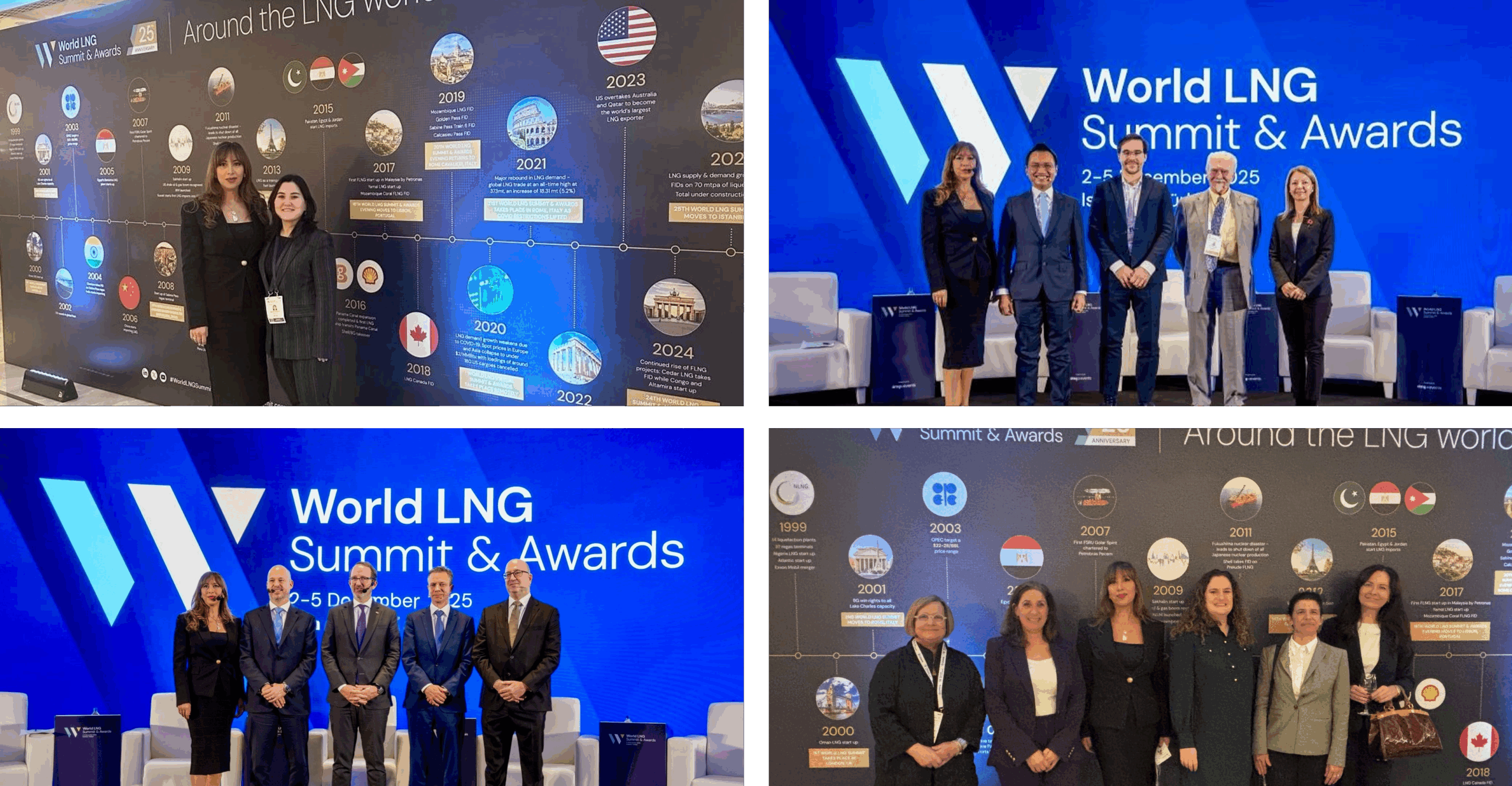
Session 2: LNG infrastructure in an evolving global energy system
The second panel focused on LNG infrastructure, a part of the value chain that is changing faster than ever before. Countries are rolling out import terminals, floating storage and regasification units, LNG to power projects and integrated systems at a pace that would have seemed unlikely a decade ago. Traditional large onshore projects now sit alongside floating, flexible and fast track solutions that expand access and improve resilience.
The discussion highlighted several core points:
- LNG infrastructure will remain central in an energy system that aims to cut emissions while keeping supply secure and affordable
- Indonesia offers a clear illustration of the challenge, as an archipelago of more than seventeen thousand islands facing declining domestic gas production and rising demand
- Integrated LNG to power systems are gaining ground and larger fleets of floating storage and regasification units provide new strategic options
- Developers must weigh speed, cost, regulation, environmental impact and pipeline constraints when choosing between floating and onshore solutions
- A surge in tenders for floating storage and regasification units, from Colombia to Malaysia and Cote dIvoire, is running into a limited number of available units, which affects timelines, newbuilds and conversions
- The risk of overbuilding is real, so countries need to design infrastructure that is both competitive today and ready for a future with a lower carbon mix
Speakers: Rakhmad Dewanto (PT PLN Energi Primer Indonesia), Paul Sullivan (Worley), Zackarie Fortin-Brazeau (Karpowership), and Burcu Gunal (WPC Energy).
Conluding Remarks
Beyond the formal sessions, the World LNG Summit in Istanbul offered valuable opportunities for exchange and reconnection. From discussions in the conference halls to informal meetings along the Bosphorus, the event underlined the importance of open dialogue across markets, policy and industry. A personal highlight for Dr Nakhle was reconnecting with a former student from the 2014 cohort who still remembered her lectures with a smile, a reminder of the lasting impact of teaching.