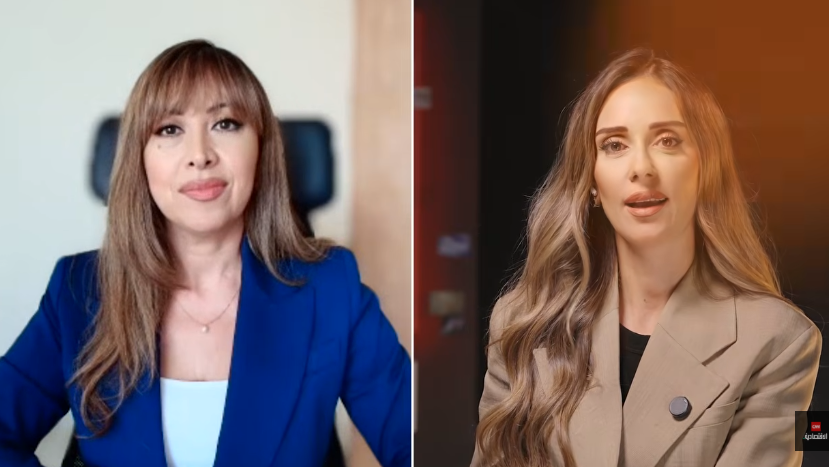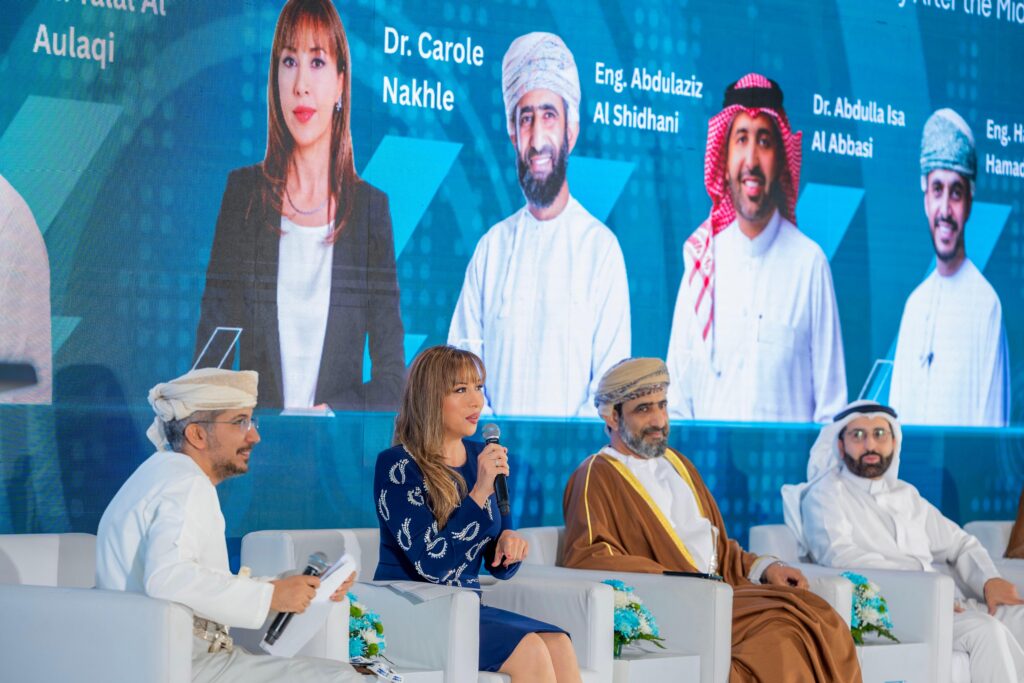




Dr. Carole Nakhle, CEO of Crystol Energy, joined Mark Urabn on Times News to discuss the implications of ongoing Middle East tensions for global energy markets. With risks affecting both the Strait of Hormuz and alternative export routes towards the Red Sea, energy flows face greater uncertainty, but markets continue to demonstrate a remarkable capacity to adjust.
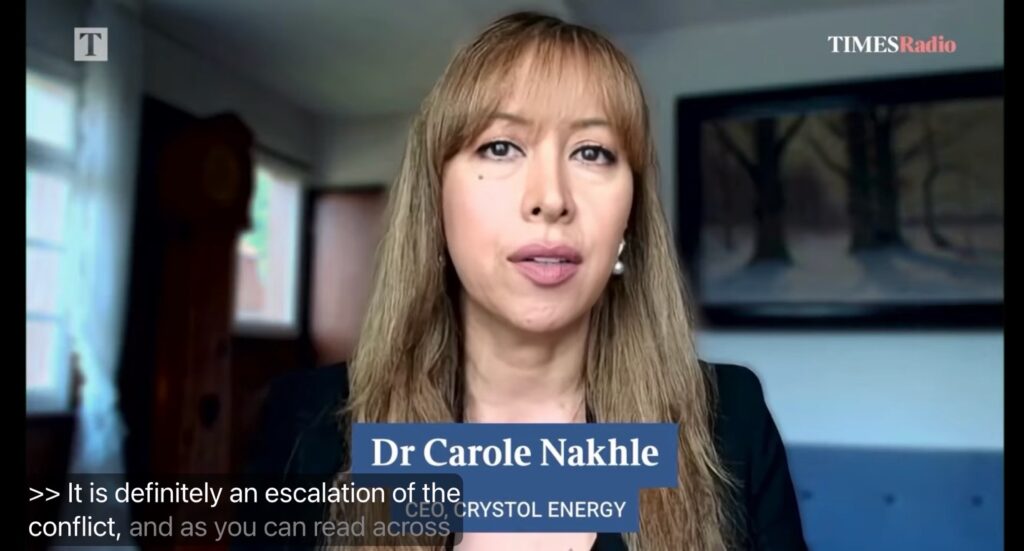
Key takeaways:
Oil prices continue to respond sharply to developments across the region, but movements have been volatile rather than a sustained surge, signalling concern rather than panic.
Diplomacy remains critical. As long as both the US and Iran keep that route open, there is reason for cautious optimism. A complete breakdown in negotiations would significantly increase the risk of a more sustained impact on energy markets.
Today’s global energy system is considerably more resilient to Middle Eastern shocks than several decades ago, thanks to a more diversified energy mix, broader sources of supply and changing consumption patterns.
Looking beyond the current tensions, supply could prove more abundant than the headlines suggest. Additional production potential from Venezuela, greater output ambitions from the UAE and continued supply growth elsewhere could leave the market more comfortably supplied once tensions ease.
Alternative pipelines remain an important pillar of energy security by reducing dependence on the Strait of Hormuz. Iraq is also exploring potential routes through neighbouring countries towards the Mediterranean.
Yet the Middle East remains relatively poorly interconnected despite hosting some of the world’s largest oil and gas producers. Greater infrastructure connectivity and regional cooperation would strengthen not only regional energy security, but also the resilience of global energy markets.
Related Analysis
“Crisis without collapse: The Middle East oil shock“, Dr Carole Nakhle, Apr 2026
Related Comments
“Pace of oil supply recovery in focus amid US-Iran deal“, Dr Carole Nakhle, Jun 2026
“What is driving oil price volatility?“, Dr Carole Nakhle, Jun 2026