
crystol-title-company-overview
crystol-title-tailored-advice
crystol-title-animation2
crystol-title-news-main
crystol-title-tailored-advice2
crystol-title-case-studies-main

Escalating attacks raise the risk of a broader energy shock

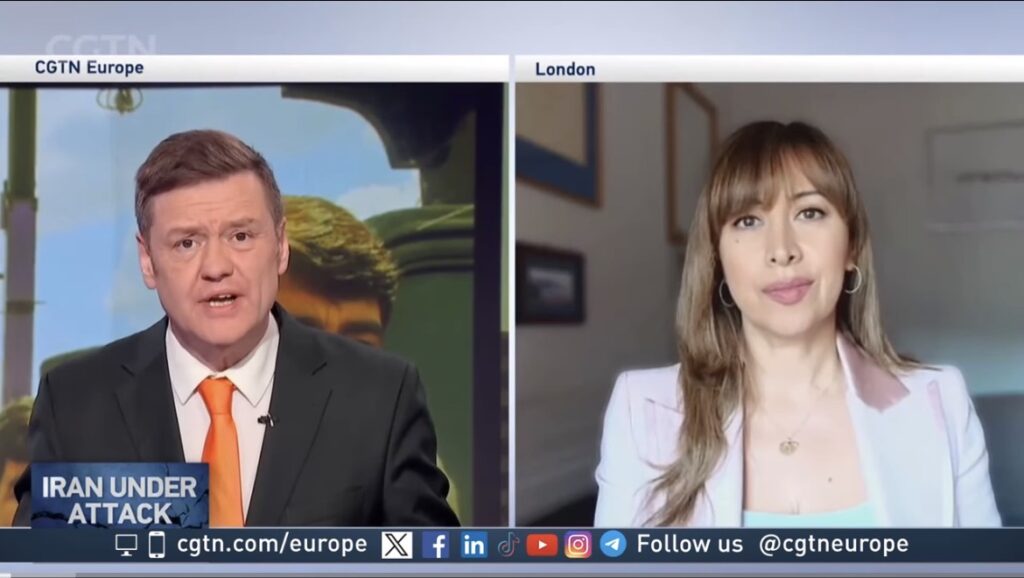
In this interview with CGTN Europe, Dr. Carole Nakhle, CEO of Crystol Energy, discussed the growing risks facing Middle East energy infrastructure and what deeper escalation could mean for global oil and gas markets. The conversation explored why the situation is already serious, why the worst case scenario has not yet materialised, and how the impact would be felt across producers, consumers, and vulnerable importing economies.

On CGTN Europe, Dr. Carole Nakhle discusses the rising risks to Middle East energy infrastructure and global markets

Key takeaways:

  • The crisis could become far more severe if Gulf countries move from defending their facilities to taking a more active role in the conflict.

  • Attacks on Iran’s South Pars field matter more for Iran’s domestic economy than for global gas markets, unless they trigger direct disruption to Qatar’s export facilities.

  • Iran remains highly exposed because it uses most of its gas at home to generate power and support industry, so damage to supply can quickly hit the wider economy.

  • Asian importers with weak purchasing power, such as Bangladesh and Pakistan, are likely to face the greatest strain, while China is better protected by larger strategic oil reserves and a more diversified gas supply base.

  • Strategic petroleum reserves have helped limit further price spikes, which suggests markets are not yet in the most extreme phase of the crisis despite the scale of the disruption.

Share this:

Recent Posts

SPE Tech Talks

Crystol Energy is proud to announce its collaboration with the Society of Petroleum Engineers (SPE). The energy transition and the transformation of our global and

Read More »

Categories