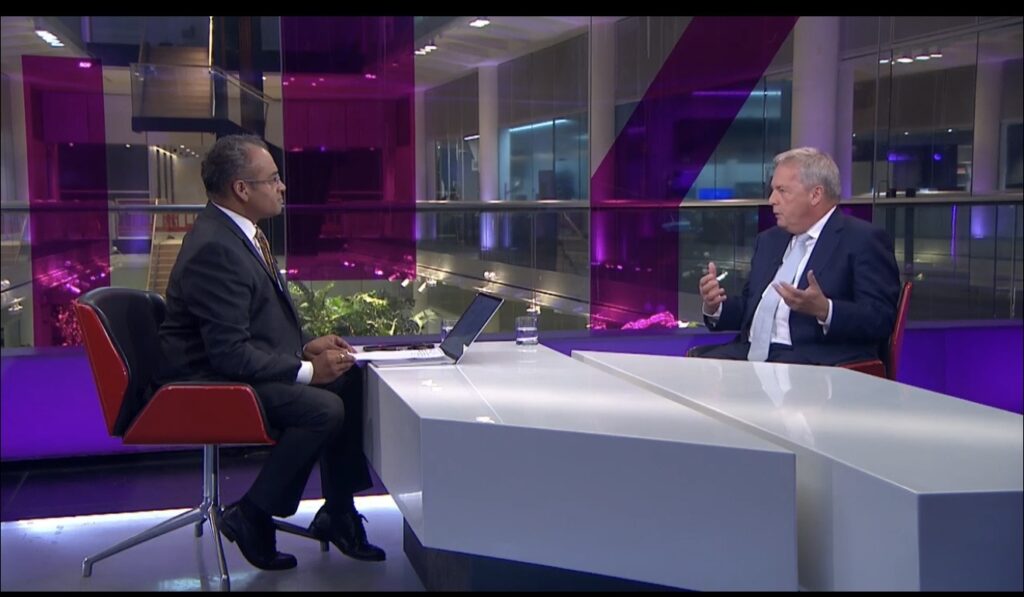



Dr. Carole Nakhle, CEO of Crystol Energy, joined Hafida El Bouchari on Sky News Arabia’s عالم الطاقة programme to discuss the recent rise in oil prices, the resilience of global energy markets and growing pressure on refined products.

Key takeaways:
Today’s oil market is more resilient than it was during the crises of the 1970s. Growing supply from producers outside OPEC and the redirection of global oil flows have reduced the impact of disruptions in the Strait of Hormuz.
Saudi Arabia and the UAE have invested in pipelines that allow part of their oil exports to bypass the Strait of Hormuz. This underlines the importance of diversifying energy sources, infrastructure and supply routes.
Should the crisis end, the oil market would likely return to surplus, assuming other conditions remain unchanged. Supply is increasing from the United States, Libya and Venezuela, while Iran could add further volumes if normal activity resumes. At the same time, demand growth remains slower than supply growth.
China continues to act as a swing consumer in global oil markets. As the world’s largest oil importer and second largest economy, its commercial and strategic inventory purchases have helped absorb additional supply and soften potential weakness in global demand.
The strongest pressure is currently visible in refined products, particularly diesel. Middle Eastern product exports have been affected by the Hormuz crisis, while Ukrainian drone attacks have reduced output from Russian refineries. Additional government taxes in Europe and elsewhere have also contributed to higher prices.
Europe’s economy remains heavily dependent on diesel, particularly across its industrial sector. Diesel prices are therefore unlikely to fall significantly while the Russia Ukraine conflict continues, unless a broader resolution is reached.
Higher energy costs will affect several sectors, including industry, petrochemicals, shipping and logistics. However, there is currently no clear indication that the global economy is heading towards recession.
Time may favour consumers as demand becomes more responsive to higher prices. Unless tensions in the Middle East escalate, oil prices are likely to rebalance towards the averages seen before the crisis.
Related Analysis
“Crisis without collapse: The Middle East oil shock“, Dr Carole Nakhle, Apr 2026
Related Comments
“Pace of oil supply recovery in focus amid US-Iran deal“, Dr Carole Nakhle, Jun 2026
“What is driving oil price volatility?“, Dr Carole Nakhle, Jun 2026