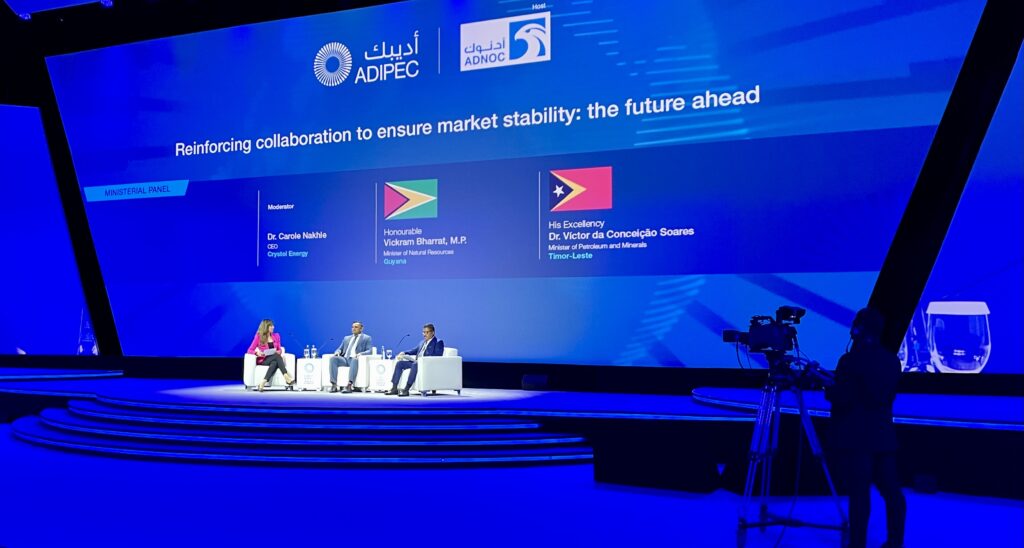





In an interview with Melissa Clarke on ABC’s AM programme, Dr. Carole Nakhle, CEO of Crystol Energy, discussed the impact of the latest Middle East developments on global oil markets. She explained that renewed threats and limited attacks have added several dollars to oil prices, reflecting continued nervousness, but markets remain far from the panic observed during the early stages of the conflict.
Key takeaways from the interview:
- Recent attacks remain relatively limited and contained compared with the larger escalation witnessed at the beginning of the conflict. This has increased uncertainty and supported oil prices without triggering a major price surge.
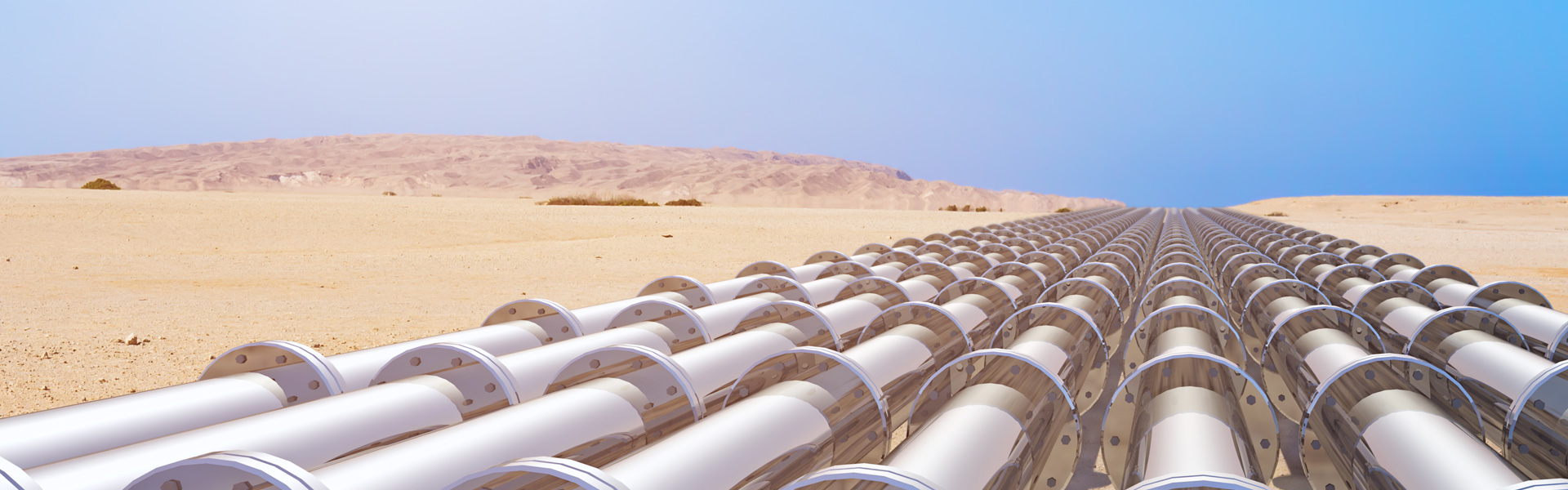
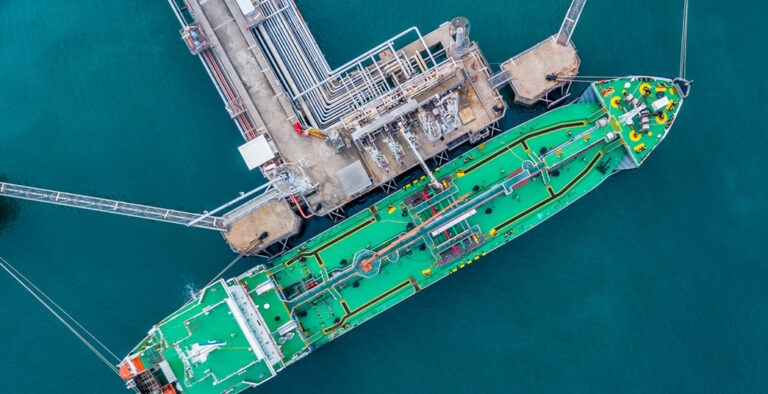
- Alternative export routes have helped maintain supplies. Saudi Arabia redirected part of its exports through its pipeline to the Red Sea, while the UAE used infrastructure that allows some oil to bypass the Strait of Hormuz.
- Additional supplies from the United States and Latin America, including Venezuela, have also helped compensate for disrupted Middle East barrels.
- Higher prices have weakened oil demand as consumers and businesses adjusted their consumption, further reducing pressure on the market.
- The current situation remains far from the worst case scenario of a fully fledged regional war involving widespread attacks and retaliation.
- Oil markets have demonstrated significantly greater resilience than in previous decades. More diversified supply sources and the declining importance of oil within the global economy have helped markets absorb disruption more effectively.
Related Comments
“Pace of oil supply recovery in focus amid US-Iran deal“, Dr Carole Nakhle, Jun 2026
“What is driving oil price volatility?“, Dr Carole Nakhle, Jun 2026