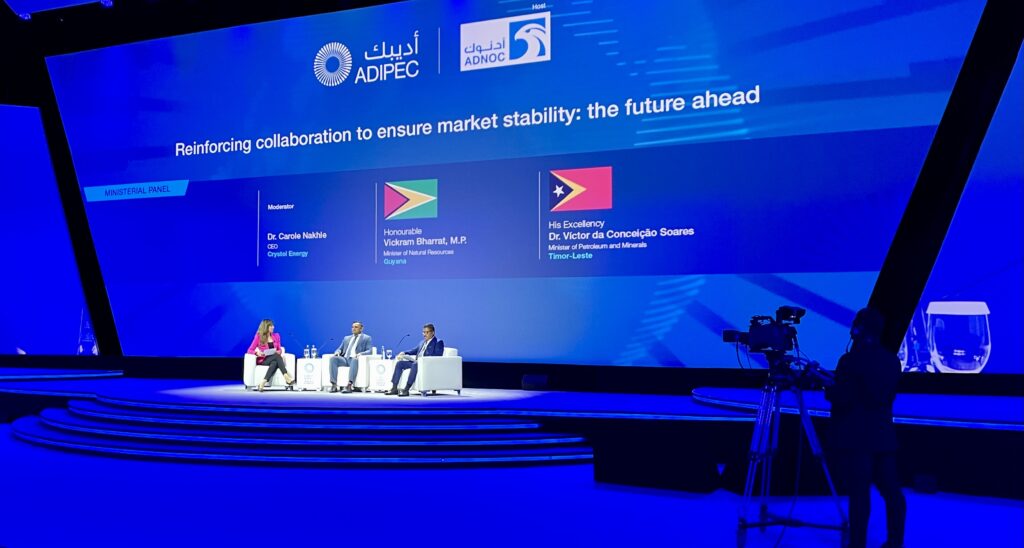





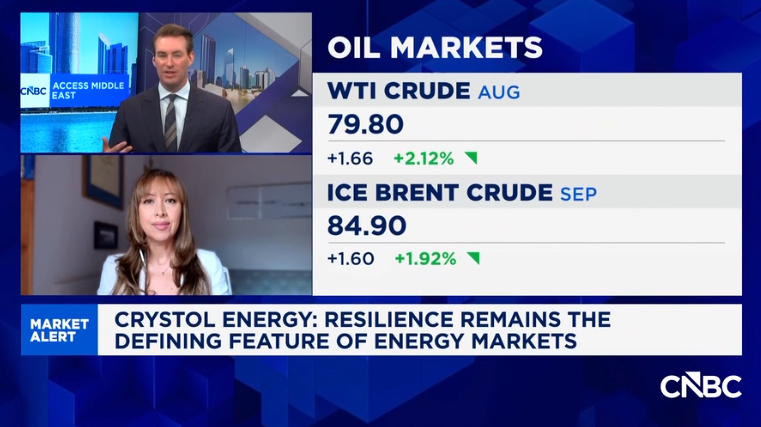
Dr. Carole Nakhle, CEO of Crystol Energy, joined CNBC’s Dan Murphy to discuss the weakening outlook for oil demand growth, the resilience of global energy markets amid geopolitical tensions, Iraq’s efforts to attract greater US investment and the growing pressures within OPEC.
Key takeaways:
OPEC’s demand growth forecast has fallen from around 1.4 million barrels per day in January to roughly 800,000 barrels per day, bringing it closer to the IEA’s outlook.
Higher prices have weighed on consumption, raising questions over how much demand could return if prices ease and how much has been permanently lost.
Markets remain relatively calm because neither side has abandoned negotiations, suggesting recent actions are more likely to support diplomatic pressure than signal a return to full-scale conflict.
Ongoing uncertainty continues to generate short-term price volatility, but markets are increasingly distinguishing between geopolitical headlines and actual supply disruptions.
Oil continues to flow through the Strait of Hormuz despite heightened tensions, reflecting the resilience of global energy trade.
Middle Eastern producers are continuing to develop alternative export routes, gradually reducing their long-term dependence on the Strait of Hormuz.
Proposed transit charges through the Strait could increase shipping costs, but their practical impact remains uncertain and is unlikely to deter companies from using the route if implemented.
Any attempt to impose transit charges through the Strait of Hormuz also raises broader questions regarding international maritime law.
Iraq is seeking greater US investment to increase oil production, reduce gas flaring, develop gas resources and improve energy infrastructure.
Efforts to revive the Kirkuk–Baniyas pipeline form part of Iraq’s wider push to diversify its export routes.
Many announced agreements remain non-binding, making implementation and commercial viability the key tests.
Iraq’s push for a higher OPEC quota reflects fiscal pressures and frustration over production constraints imposed during years of conflict and instability.
Diverging national priorities could either reshape OPEC into a smaller but more cohesive organisation or gradually weaken its collective discipline.
OPEC’s biggest challenge may no longer be managing the market, but managing its own members.
Related Analysis
“Crisis without collapse: The Middle East oil shock“, Dr Carole Nakhle, Apr 2026
Related Comments
“Pace of oil supply recovery in focus amid US-Iran deal“, Dr Carole Nakhle, Jun 2026
“What is driving oil price volatility?“, Dr Carole Nakhle, Jun 2026