




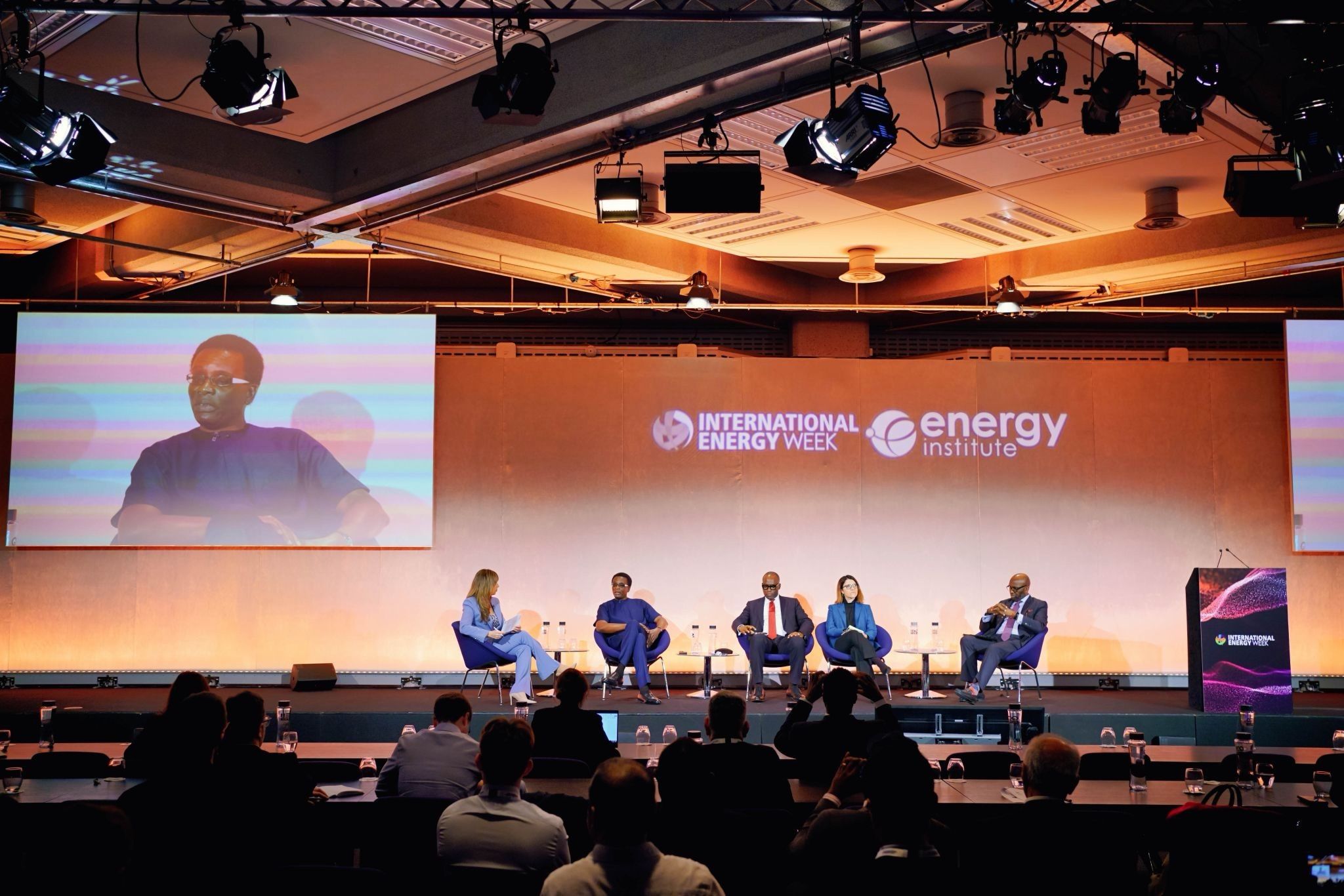
Dr Carole Nakhle, Founder and CEO of Crystol Energy, moderated a high-level session at IE Week titled “Africa’s Energy Transition on African Terms: Gas, Power and Pragmatism.”
The session brought together senior industry leaders to examine how Africa can advance its energy transition while addressing pressing development priorities and investment realities.
In her opening remarks, Dr Nakhle highlighted a defining paradox of the global energy system: Africa is rich in energy resources – including oil, gas, renewables and critical minerals – yet remains energy-poor. Hundreds of millions of Africans still lack reliable access to electricity, with energy insecurity continuing to constrain industrialisation, job creation and economic resilience.
While Africa’s transition must be designed around its own economic and structural realities, discussions underscored that this cannot occur in isolation. The continent requires international capital, technology transfer and expertise. Achieving a durable transition therefore requires balancing domestic priorities with the expectations of global investors and market participants.
Key themes emerging from the discussion included:
- The continued importance of energy security and affordability alongside climate objectives.
The enabling role of natural gas in supporting power generation, industrial development and system stability. - The central importance of policy clarity and bankability in mobilising both domestic and international investment.
The need for pragmatic, full-spectrum approaches rather than rigid sequencing of technologies. - The urgency of addressing gas flaring — a wasteful and environmentally harmful practice still prevalent in parts of Africa — with progress underway, including Nigeria’s target of eliminating routine flaring by 2030.
The session featured contributions from:
- Tony Attah, MD and CEO, Renaissance Africa Energy Company
- Effiong Okon, Director New Energy, Seplat Plc
- Dapo Segun, Group Chief Financial Officer, NNPC
- Silvia Macri, Middle East and Africa Lead, Power and Renewables, S&P Global Energy
The interactive Q&A reflected strong engagement from participants on how to reconcile ambition with realism and ensure that Africa’s energy transition remains investable, inclusive and resilient.
Commenting after the session, Dr Nakhle noted:
“Africa’s energy transition must reflect the continent’s development priorities and structural realities. At the same time, it must be credible and bankable in the eyes of international investors. The challenge is not choosing between the two, but designing pathways that align them.”
IE Week continues to serve as an important platform for dialogue among policymakers, industry leaders and market participants navigating the evolving global energy landscape.
Related Events
“Dr Carole Nakhle joins Energy Connects Global Advisory Board“, Jan 2026
“Crystol Energy leads strategic LNG discussions at the World LNG Summit in Istanbul“, Dec 2025