


Ten years after the Brexit referendum, the economic consequences of the UK’s decision to leave the European Union continue to be debated. With a decade of evidence now available, it is worth revisiting the data to examine how Brexit has shaped the UK’s growth, trade, investment and economic competitiveness.
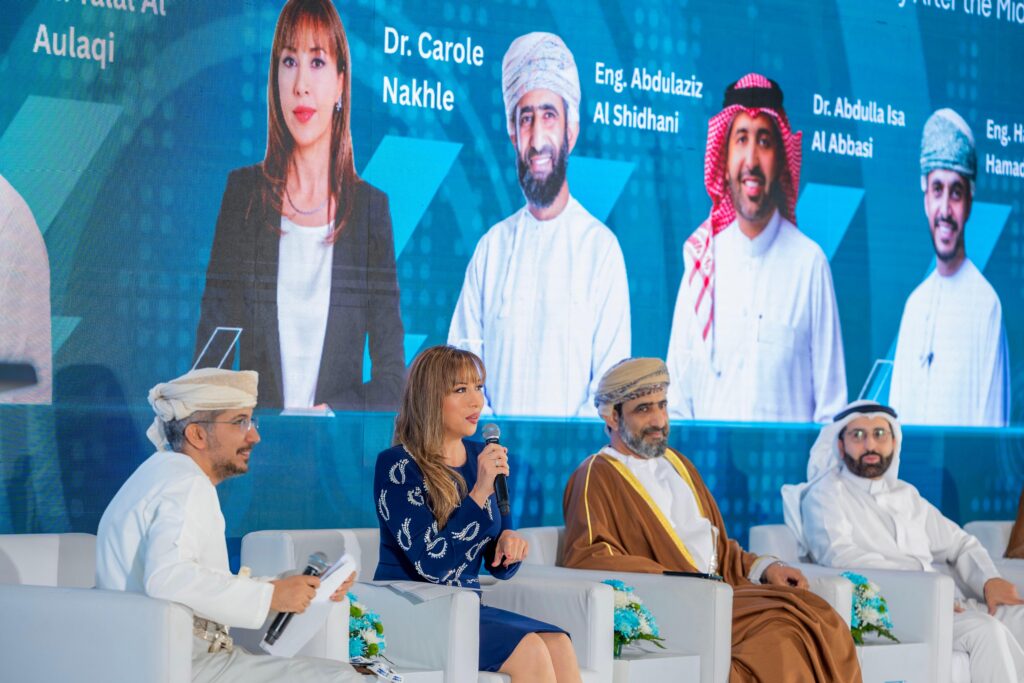
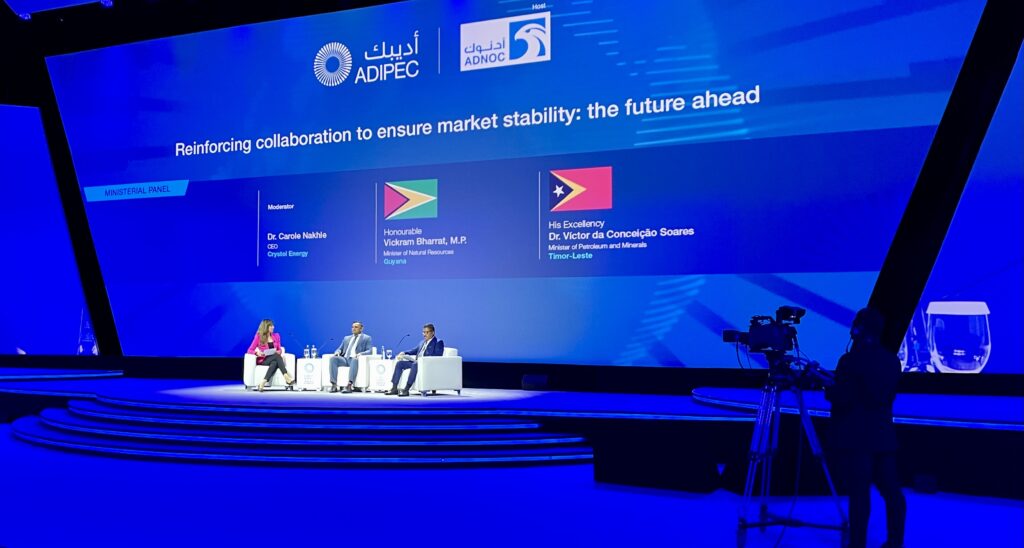
In this interview, Dr. Carole Nakhle, CEO of Crystol Energy, reflects on the economic impact of Brexit and the broader pressures that have shaped the UK’s economy over the past decade, drawing on insights shared during her interview with Shaden Ellakkis on France 24 Arabic.

Key takeaways:
Since the Brexit referendum, the UK economy has been shaped not only by Brexit itself but also by a succession of major shocks, including the Covid-19 pandemic, the energy crisis triggered by the war in Ukraine, high inflation and domestic political instability.
Brexit introduced uncertainty around the UK’s future economic relationship with its largest trading partner, affecting business confidence, investment decisions and growth prospects.
The end of free movement contributed to labour shortages in some sectors, increasing recruitment challenges and putting upward pressure on wages and operating costs.
While Brexit has created economic headwinds, many of the UK’s recent economic difficulties cannot be attributed to Brexit alone and must be viewed in the context of wider global and domestic developments.
Since leaving the European Union, the UK has sought to deepen trade and investment ties with partners beyond Europe, including the United States, Asia and the Middle East, with mixed results to date.
London remains one of the world’s leading financial centres, although it faces increasing competition from rapidly growing hubs in Asia and the Middle East.
Related Analysis
“Crisis without collapse: The Middle East oil shock“, Dr Carole Nakhle, Apr 2026
Related Comments
“Pace of oil supply recovery in focus amid US-Iran deal“, Dr Carole Nakhle, Jun 2026
“What is driving oil price volatility?“, Dr Carole Nakhle, Jun 2026